Pradosham is the time present between one and half hours before and after the sunset (One muhurtham). Pradosham is a combination of two words, pra and dosham, in which Pra means Removes, and Dosham means sins, the time that removes sins.
This Muhurtham comes every day; however, the Pradosham time on triodasi day is considered very auspicious. That too on the Krishnapaksha triodasi (that falls on the dark fortnight or triodasi before Amavasya).
If the Pradosham falls on a Saturday then it is referred as Shani Pradosham, which is considered even more auspicious. This time has immense importance in the Shaivite tradition.

What is Pradosha Pooja?
In general, the darshan or pooja that happens early in the morning (Pratah Kala) is considered auspicious. However, in temples of God Shiva, the pooja or darshan that takes place during the evenings also has equal importance.
Of all the poojas in Shiva temples, Pradosha pooja has a special place. During this time, abhishekams are performed to the Great God Shiva and Lord Rishabha or Nandi at a time. Later, it continues with the processions of Utsava vigrahas around the temple.
Pradosham Story
It is good to know the story behind the Prasosha Muhurtham to understand why it is of immense importance. This story is related to Sagara madhanam, or the churning of the milky ocean.
Rise of Halahala from the Milky Ocean and the God’s plea to Great God Shiva
Once, gods and demons started to churn the milky ocean to obtain the immortal nectar or Amrutha.
During the churning process, a deadly poison named Haalahala came out and destroyed everything that was present before it. Seeing the destruction, the devas and asuras panicked and ran to Kailasa, the abode of Great God Shiva, for help.
Looking at the plight and prayers of mercy by devas and asuras, the Great God Shiva moved and ordered Sundara, one of his attendants, to bring the haalahala and gave him all the powers to do so.
Sundara brings Haalahala to Shiva
With the powers obtained, Sundara rolled all that dark poison into a small ball that looked similar to the Jamun fruit and brought it before the God Shiva. This is the reason why Sundara is usually called Haalahalasundara.
Even in that situation, the haalahala ball burned everything near it. Also, unable to bear its immense heat, devas and other beings fled away. Pitied by seeing this, Vrushabha Deva, the bull of the god Shiva, protected them by giving shelter under his own tongue by stretching it out.
God Shiva Swallows Haalahala, and Vrushabha protects Devas
The great god Shiva then swallowed the Haalahala and kept it in his throat, protecting the whole world. Due to this action, God Shiva’s throat became blue. Hence, the name Neelakantha—the one with the blue throat.
Deva’s offered Prayers in Gratitude; that day got the name Pradosham
On gratitude, devas started offering their prayers to God Shiva; then God Shiva said to them that the one who protected them at first was his Vrushabha or Nandi, so they said to offer the same prayers to him, too.
Vrushabha Deva thanked God Shiva for his mercy on him. Then, all the gods and other beings started worshipping the God Shiva and Vrushabha Deva at the same time.
The swallowing of Halahala by God Shiva thereby protecting the devas happened on a triodasi day just before the time of sunset and in specific on a Saturday.
That is why the pradosham became very important, and it is the reason behind the worship of God Shiva and Nandi at once during this time. Hence, prodasham is considered more auspicious especially on Triodasi and also on Saturdays.
Also, the God Shiva then performed a dance (tandava) by standing between the horns of Rishabha or Nandi and gave his blessings to all beings.
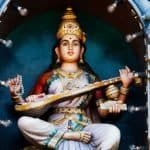
Pleased by this heavenly sight of God Shiva, all the gods praised him in their own interested ways for his merciful nature, like Goddess Saraswati playing Veena, God Indra playing flute, God Vishnu playing mridangam, Goddess Lakshmi singing, God Brahma playing cymbals, and so on, further obtaining the grace of Great God Shiva.
Later, God Shiva also gave a boon that whoever worships him, along with Rishabha or Nandi in this pradosham time, will get their wishes fulfilled.
What are the Benefits of Pradosha Pooja or Worshipping at this time?
As per the karanagama, worshiping God Shiva along with God Rishabha or Nandi during the pradosha time or pradosha pooja will get immense benefits. It is believed to relieve their diseases, mental disbalances, and fear of death.
It is also believed that the devotees will be uplifted from poverty by the god’s mercy along with fulfilling all their wishes.
How many Pradoshas are there?
Pradoshas are mainly categorized into 5 types they are
- Nitya Pradosham – The Pradosham that comes daily
- Paksha Pradosham – that comes every 15 days on triodasi tithi
- Masa Prodosham – That occurs on the 2nd triodasi of the month.
- Varsha Pradosham – that comes every year before the day of Mahashivarathri
- Yuga Pradosham or Pralaya Pradosham – the Pradosham that comes on the end of yuga/ universe.
What is Shani Pradosham?
If a praosham day falls on a triodasi which is a Saturday, then it is referred as Shani Pradosham. As discussed in the story that God shiva saved the worlds from halahala on a triodasi which was a Saturday, thus the shani triodasi day got immense importance.
Likewise, if the Triodasi pradosham falls on a Monday, it is referred to as Soma Pradosham. Similarly, Bhauma Pradosham on Tuesday, Saumya Pradosham on Wednesday, and Guru, Bhrugu and Bhanu Pradosham on Thursday, Friday and Sunday, respectively.
Of all these, Shani and Soma pradoshams are considered very holy.
What is Pradosha Vrat?
Pradosha vrat is the Vrat to be taken on the triodasi days for the worship of God Shiva. This vrat is usually done by fasting, worshipping, and visiting the Shiva temple during the pradosha time of that day.
Among the pradosha vrats , Shani and soma pradosha vrats are considered very sacred.
During the triodasi days, the devotee who follows this vrat should take a head bath early in the morning and do fasting for the whole day. Those who cannot fast for the entire day can do untill the pradosham time.
During this day, the devotee needs to offer prayers to God Shiva, Goddess Parvati, Ganesha, Karthikeya, Nandi, and other attendants of God Shiva. Also, the devotee must listen to or read the Pradosha vrat story as prescribed in the sacred texts.
After visiting the temple or worshipping at the home after pradosham, the devotee who performs the vrat can eat any uncooked food, such as fruits.




Could you please tell about the Book (Text) which contains the facts about
‘Pradosha’
Hi Vijay Nair, you can get good insights from the book The Lord Shiva By Shantha N. Nair. Most literature on pradosham is present in Tamil and Telugu books